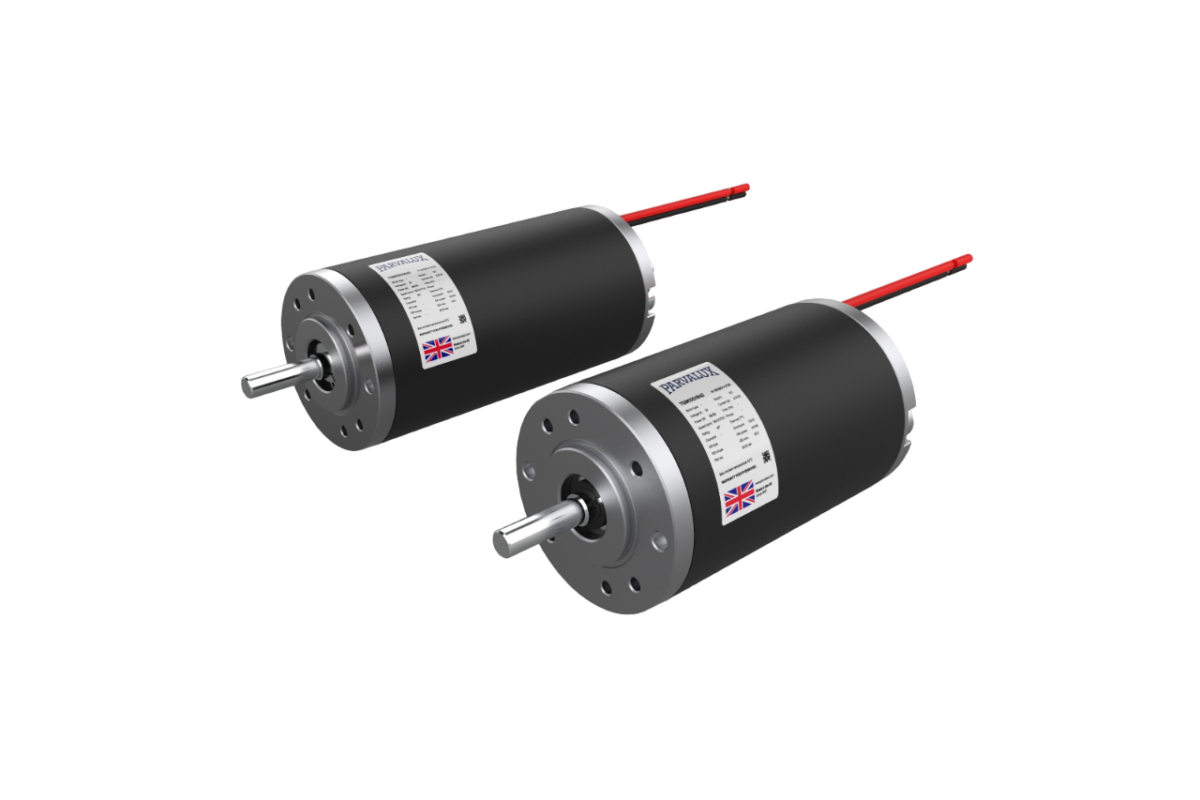
Electric motors can be found at the heart of a great deal of modern technology, powering everything from household appliances like electric toothbrushes and fridges to industrial conveyor belts and automatic doors. But for many, this vital piece of technology goes unnoticed and unappreciated despite our complete dependency on it.
How do electric motors work?
In essence an electric motor converts electrical energy into mechanical energy, making it possible for a variety of devices and systems to function. To break it down further electric motors require three elements:
- Electrical Input — An electric current flows through a wire coil inside the motor, generating a magnetic field.
- Magnetic Interaction —The magnetic field interacts with permanent magnets (or other electromagnets) in the motor, causing the rotor (a rotating component) to move.
- Mechanical Output — As the rotor turns, it generates rotational force or torque, which can be used to power anything from conveyor belts to kebab skewers.
The benefits of this process is that it is very efficient and can be carefully controlled making electrical motors ideal for both small appliances and large-scale applications.
The most fundamental elements of electric motors are speed and torque, which determine how a motor performs in various applications.
Torque is a measure of the rotational force that an electric motor generates, and is the force required to drive the load. High torque is vital for applications which require heavy lifting, pushing, or pulling, and the higher the torque the heavier the load it can manage.
Torque is paired with speed. The speed refers to how fast the motor’s rotor spins and determines how fast the mechanical output is delivered.
The right combination of torque and speed makes electric motors incredibly versatile as some applications require high torque and low speeds or vice versa. Torque and speed can be carefully controlled according to the application requirements.